

The Maldives runs on two monsoons, and the dates you choose shape far more than the forecast. They decide what you pay, how busy the house reef feels, and whether the villa you had your heart set on is even available. Understand the rhythm of the year and you can have the same overwater deck, the same butler, the same impossibly clear water — for a fraction of what the couple two villas along paid in January.
The good news is that the Maldives rarely does genuinely bad weather for long. Even in the wettest weeks you are usually looking at a heavy, dramatic downpour, a steamy hour afterwards, and sunshine again by mid-afternoon. What shifts dramatically is availability, price and the mood of the island.
How the Maldivian Year Works
Two monsoon systems govern the climate. The northeast monsoon brings the dry season, roughly December to April: lighter winds, calmer seas and long spells of sunshine. The southwest monsoon, roughly May to November, brings the wet season: more rain, more humidity, stronger winds and rougher inter-atoll crossings. Temperatures barely move all year — think low thirties Celsius, dropping a few degrees after dark.
Two things worth remembering. First, "dry" does not mean rain-free; short tropical showers fall in every month. Second, "wet" does not mean washed out. Plenty of travellers find the green season's mix of hot sun and sudden rain more refreshing than they expected.
December to March: Peak Season, Peak Prices
This is the Maldives at its most photogenic and its most expensive. The sea is at its calmest, diving visibility is often at its best, and the skies do their reliable blue thing.
It is also when everyone else wants to be there. The weeks around Christmas and New Year are the priciest of the year, and many resorts apply minimum-stay requirements and festive gala dinners on top. Rates stay high through January and much of February, easing slightly in March. Flights fill early, and the most desirable villas are often gone nine to twelve months ahead.
If you are set on these months, book as far ahead as you can, stay flexible on dates rather than on resort, and consider the first half of December — you may catch pre-festive rates before the sharp climb.
April and May: The Quiet Shoulder
April holds on to much of the dry season's weather, while the Easter holidays keep family resorts full. Once Easter passes, the picture changes quickly. Rates fall, availability opens up, and the first proper rain of the year arrives.
May is a genuine bargain month for luxury travel. You might lose an afternoon to rain, but you gain a quieter island, easier restaurant tables and a noticeably kinder bill. Surfers start watching this window too, as swell builds in the Malé atolls.
June to October: Green Season and Real Value
This is when the Maldives becomes accessible. Resorts compete hard, and the offers are meaningful: free nights, upgraded board, included seaplane transfers, villa categories you could not justify in February. A handful of properties close for refurbishment during these months, so check before you set your heart on one.
The weather is a mixed bag, and that is part of the appeal. Expect strong sun, sudden downpours, higher humidity and breezier boat crossings. The payoff is underwater. Plankton-rich currents draw manta rays and whale sharks to certain atolls — Baa Atoll is the best known for its manta gatherings — and dive sites that are quiet in the dry season come alive. Visibility can dip in some spots, but the marine life is often richer.
November: The Month Most People Overlook
November is the transition. The rain eases, the winds settle, the sea flattens, and rates remain well below the December peak — until the festive season begins. Resorts typically raise rates sharply in the run-up to Christmas, with minimum stays and festive supplements applying from around mid-December. For a trip that feels like peak season at shoulder prices, early to mid-November is hard to beat.
Month by Month at a Glance
- January: dry, calm, busy and expensive; excellent underwater visibility.
- February: often the most settled month of the year; peak rates continue.
- March: still dry, marginally quieter, good value by peak-season standards.
- April: warm and mostly dry; Easter crowds, then falling rates.
- May: humidity rises, prices drop; strong value for luxury villas.
- June: wet season settles in; generous offers and quiet reefs.
- July: warm and humid with regular showers; European school holidays lift demand.
- August: mixed weather, family demand, deals still available.
- September: quiet, humid and frequently outstanding value.
- October: rain eases towards month's end; rates remain low.
- November: calm returns; superb value until mid-December.
- December: first half good value, then festive pricing and minimum stays.
Matching the Window to Your Trip
- Honeymoons and diving: February to April for clarity and calm; June to October for marine life.
- Surfing: the Malé atolls from roughly March to October, strongest mid-season.
- Families: Easter and the summer holidays, accepting that summer means showers.
- Best all-round value: May, September, October and the first half of November.
- Best weather without festive prices: late November and March.
Practical Notes Before You Book
Transfers shape the trip more than most people expect. Seaplanes only operate in daylight, so if you land late in the evening, plan a night near the airport or choose a resort reachable by speedboat. Seaplane transfer costs are frequently quoted separately from the room, so check the total before comparing rates.
Read the board basis carefully. Half board, full board and all-inclusive mean very different things from one island to the next, particularly where drinks are concerned. On inhabited local islands, alcohol is not available and modest dress codes apply; during Ramadan, some cafés close during daylight hours, while resorts generally operate as usual.
Sort out insurance that covers diving, water sports and air medical evacuation, and take travel health advice from your GP or a travel clinic well before departure. Speak to a specialist if you have any medical or financial questions — a resort booking is a significant commitment and the small print varies.
Finally, be realistic about the monsoon. Patterns shift from year to year, so no month comes with a guarantee. Book early and firmly for peak season, when the best villas genuinely do sell out. In the green season, patience is rewarded: last-minute availability can be excellent, and a quiet island with a few afternoon showers is a very easy thing to fall in love with.
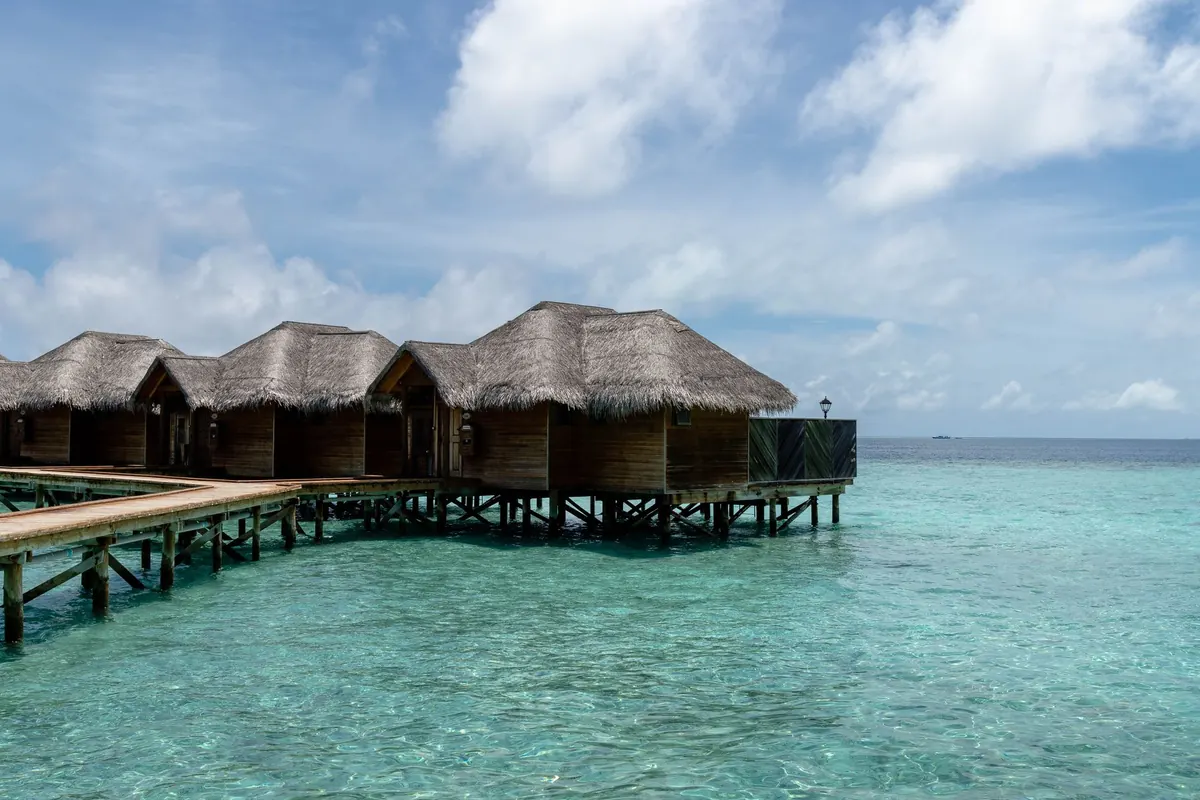
Photo: Asad Photo Maldives / Pexels
Related posts
More stories you’ll love reading