
Bordeaux has a way of making visitors nervous. The labels carry so much reputation — Margaux, Pauillac, Pomerol, Saint-Émilion — that the prospect of turning up at a château and asking the wrong question can feel like sitting an exam. It isn't. Behind the gates and the long gravel drives are people who are proud of what they make and genuinely pleased to pour it for someone who has bothered to come.
What separates a memorable few days here from a rushed, slightly blurry one is rarely budget. It is planning: knowing which part of the region suits you, booking estates for the right reasons rather than the most famous names, and leaving enough time between appointments to enjoy them.
Understand the Two Banks Before You Book Anything
Bordeaux divides, broadly, along the Garonne and Dordogne rivers, and the split shapes everything: the wines, the landscape, the length of your drive and the character of the visit.
The Left Bank
West and north of the city lie the Médoc and Graves, where Cabernet Sauvignon dominates on gravel soils. The great communal names — Margaux, Saint-Julien, Pauillac, Saint-Estèphe — sit along the Route des Châteaux, a thin strip of vineyard running north-west. Further south you find Pessac-Léognan and, in Sauternes, the sweet wines. Expect structured, firm reds that reward patience.
The Right Bank
East of the city, around Libourne, Merlot and Cabernet Franc take over on clay and limestone. Saint-Émilion and Pomerol are the headline names, with Fronsac and the Castillon slopes offering excellent value. The wines tend to be softer and more approachable young, and the countryside is prettier for walking.
The two are not combinable in a single day. Allow forty-five minutes or so from Bordeaux to Saint-Émilion, and considerably longer to reach the far end of the Médoc, especially with vineyard traffic in summer.
Choosing the Châteaux That Suit You
Classification is useful shorthand, not a guarantee of a good afternoon. The 1855 ranking, the Saint-Émilion classification and the Cru Bourgeois label all tell you something about pedigree and price. None of them tells you whether the person showing you round will be generous with their time, or whether you will be one of thirty people in a tasting room built for twelve.
Before you confirm anything, ask:
- Does the visit include the vat room and barrel cellar, or is it a tasting only?
- How many wines are poured, and are older vintages included?
- What language is the visit in, and how large is the group?
- How long does it last — and is there time in the vineyard itself?
- Can you buy on site, and will they arrange shipping?
Some of the most celebrated estates do not receive the public at all, or accept visitors only through an agency. This is where a good local contact earns their fee. The neighbours of famous names are often the better bet: smaller, family-run, unhurried, and happy to open a second bottle because you asked an interesting question about their clay.
What Actually Happens on a Visit
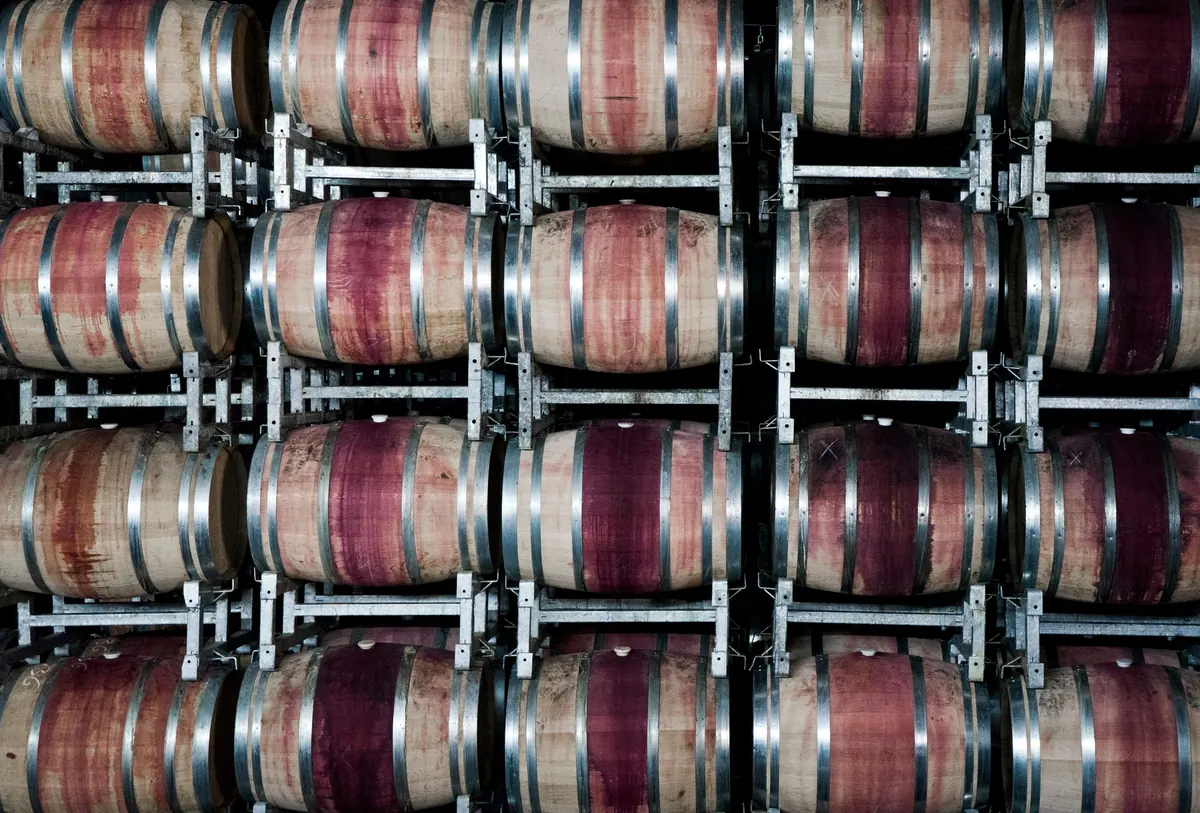
A typical château appointment runs between an hour and ninety minutes. You will usually be walked through the reception area, the fermentation room and the barrel cellar, talked through how the blend is put together, and then settled at a table for two to four wines. A spittoon will be within reach. Using it is not rude; it is expected, and it is the only sensible way to manage three appointments in a day.
Formats vary more than people realise. Some estates offer vertical tastings of several vintages, others a food-and-wine lunch, others a blending workshop where you assemble your own sample from different parcels. In the city, La Cité du Vin gives useful context before you head out to the vineyards, and the appellation tasting rooms in villages such as Margaux or Pauillac are a low-pressure way to sample widely.
Tasting Without Pretension
Look at the colour. Smell the wine before you swirl it hard. Take a small sip, draw a little air across it, and think about four things: acidity, tannin, fruit and how long the flavour lingers. Then spit. Asking what the vintage was like is the single best question you can ask — winemakers will talk about it for twenty minutes.
The Logistics That Make or Break a Trip
Fly into Bordeaux-Mérignac, or take the TGV from Paris, which is straightforward and comfortable. Once you are here, hire a car with a driver for tasting days. Narrow lanes, poor signage and low-hanging vines make self-driving stressful even before the first glass, and France's drink-driving rules are strict. A knowledgeable guide adds a great deal: introductions, translations, and the ability to slot in a cellar door you would never have found alone.
Book two visits a day, three at most. Most estates close for lunch, many shut at weekends, and several are quiet during the September harvest. Spring and autumn are the loveliest times to travel; high summer in the Médoc is hot and busy.
Where to Stay and Eat
Base yourself in Bordeaux itself and you get the city's market halls, riverside restaurants and easy access to both banks. Stay in Saint-Émilion and you can walk to dinner through the village. A handful of Médoc châteaux offer rooms, which makes early appointments a pleasure rather than a logistical exercise.
Restaurant tables fill quickly, so ask your hotel to book before you arrive. Keep evening meals lighter than you think you need to, drink more water than seems necessary, and build in at least one day with no tastings at all. If you are pregnant, taking medication or managing a health condition, speak to a doctor before planning a trip that revolves around wine.
Practical Essentials
- Pick one bank per day and resist the urge to cross the region.
- Shortlist six estates, then book three or four — four weeks ahead, longer in summer.
- Write in English, be specific about what you would like to taste, and confirm by email.
- Arrange a driver or guide for every tasting day.
- Leave an hour between appointments; things overrun, and that is the point.
- Book lunch in advance, and keep one afternoon entirely free in Bordeaux city.
Approached that way, Bordeaux stops feeling like an exam and starts feeling like what it is: a working agricultural region of enormous beauty, generous with anyone who arrives curious rather than deferential.
Photo: Robert Schrader / Pexels
Related posts
More stories you’ll love reading